Editorial scope note: Wild Ace builds this guide from public plan pages, official help pages, catalogue positioning, and reader use cases. We do not claim private access, hidden usage data, or guaranteed availability. Prices, libraries, trials, and rights can change, so use the official links below before you buy.
Quick verdict
MUBI and BFI Player should not be treated as duplicates. MUBI is the better answer when you want a living, curated film queue with a strong international flavour. BFI Player is the better answer when you want British film context, archive depth, rentals, and a more institutional connection to cinema culture.
The choice between MUBI and BFI Player is really a choice between two film habits. MUBI suits guided discovery across international and contemporary cinema. BFI Player suits archive interest, British film culture, rentals, and a more research-led mood. Many readers will rotate instead of keeping both all year.
This UK comparison relies on current official pages because film availability, rental terms, and subscription catalogues can move without much warning. Always confirm the title or programme you want before paying.
Official pages checked
We started from official pages because affiliate roundups go stale quickly when plan names, free trials, and cancellation terms change. The links below are not decorative citations. They are the pages a reader should open before paying, especially where a service uses regional pricing or changes its included hours.
- MUBI - official MUBI entry point
- BFI Player subscription - official BFI Player subscription page
- BFI Player rentals - official BFI Player rentals catalogue
- BFI - official British Film Institute site
Use those pages to confirm current prices, included catalogues, trial rules, device limits, and cancellation terms. We avoid quoting a permanent price when a service displays pricing dynamically or changes promotions frequently. A good deal is only good if the current checkout page matches the use case you actually have.
How Wild Ace judges this choice
The decision turns on the kind of film habit you want to build. Some viewers need a service that says, "watch this now." Others need a library that supports research, retrospectives, and the occasional rental. Both are valid, but they lead to different subscriptions.
- Curation rhythm - MUBI is strongest when its programming rhythm keeps you opening the app.
- Archive context - BFI Player has a stronger connection to film culture, collections, and UK archive value.
- Rental versus subscription - Check whether the film you want is included, rented, or unavailable before judging price.
- Discovery style - A curated queue suits viewers who want direction; an archive suits viewers who arrive with a theme.
- Companion value - Either service works best beside a broad streamer rather than as the only household plan.
For specialist film services, we give more weight to the viewing project than to the number of titles. Discovery, archive research, rentals, and rewatch plans create different answers.
Shortlist table
| Option | Best for | Watch before paying | Wild Ace read |
|---|---|---|---|
| MUBI | curated international film discovery | not every film you hear about will be available when you want it | Best for viewers who want an editorially shaped queue. |
| BFI Player | UK film culture, archive work, and rental depth | the subscription and rental lanes should be checked separately | Best for viewers who want context and archive access. |
| The rotation answer | viewers who want both but not every month | keeping both open without a watchlist can waste money | Alternate them by film season or project. |
| Broad streamer pairing | households that need mainstream TV beside specialist cinema | specialist services are not family entertainment replacements | Pair one specialist service with one broad service. |
| Physical edition alternative | films you will rewatch, study, or want with extras | do not buy discs only because a rental is temporarily unavailable | Use physical editions for long-term value, not impatience. |
Read the table as a rotation guide. MUBI and BFI Player can both be excellent, but they usually earn money in different months and for different film projects.
Notes on the main options
MUBI
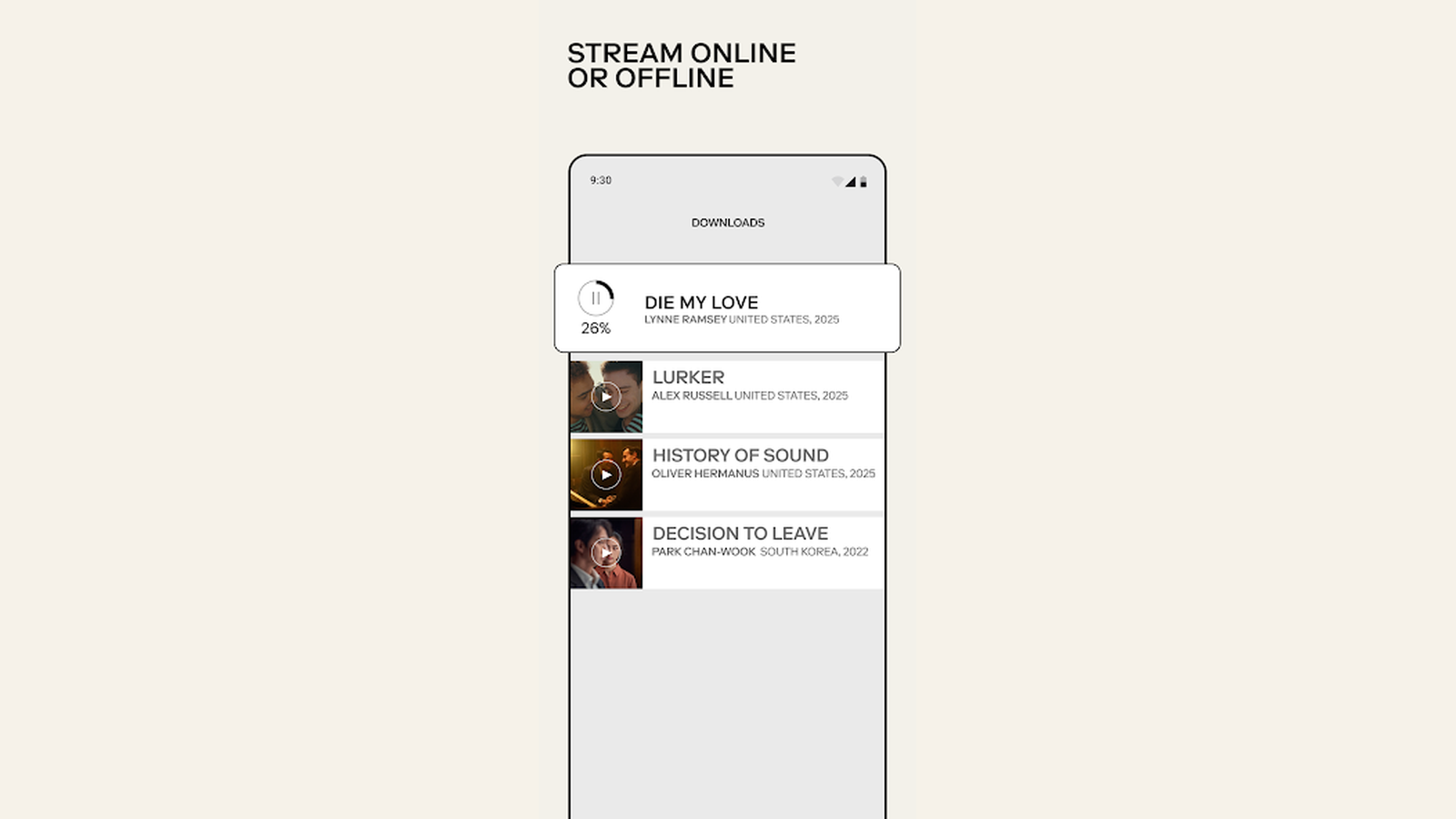
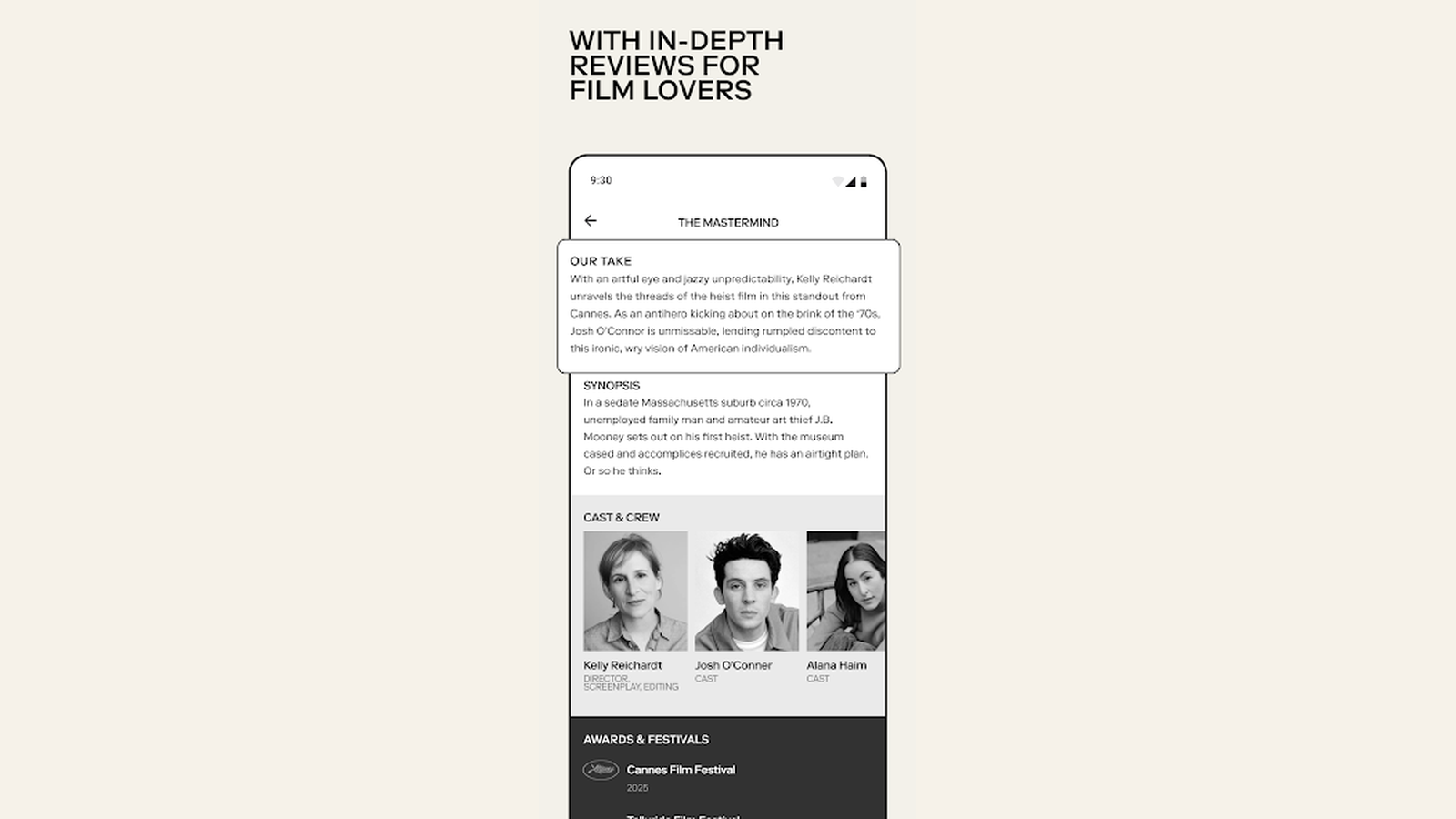
MUBI is the better fit when the viewer wants contemporary curation, international discovery, and the feeling of a programmed film conversation. It rewards curiosity and a willingness to watch beyond the obvious charts. The risk is expecting every title mentioned in film culture to be available on demand. MUBI is not a universal library. It is strongest when the current programme itself is the attraction.
BFI Player
BFI Player is stronger when the viewer has a UK film-culture project, archive interest, director focus, or a specific rental in mind. It can feel more like a research desk than a general entertainment app, which is exactly the point for some viewers. The subscription and rental areas should be checked separately. A title you want may be a rental, not part of the subscription, and that difference changes the value of the month.
Rotation strategy
Many readers do not need both services at the same time. A cleaner strategy is to rotate: use MUBI when its current programming has momentum, then switch to BFI Player when a retrospective, British cinema project, or hard-to-find rental becomes the priority. Rotation also prevents specialist services from turning into background spend. If neither has a watchlist this month, do not keep either out of loyalty.
Household fit
Neither service should be forced to replace broad household streaming. They are specialist film tools. A household can love them and still need another service for general TV, children's viewing, live sport, or comfort repeats. The only mistake is pretending a specialist app is poor value because it is not designed for every evening. Judge it by the film job it is meant to do.
When a disc beats streaming
Sometimes the best answer is neither subscription. If a film is likely to become a reference point, a boutique Blu-ray or 4K edition may offer extras, restoration notes, essays, and repeat access that a streaming month cannot. That does not mean buying every hard-to-find title. It means reserving disc spend for films that have moved from curiosity to long-term value.
A cleaner buying plan
- Decide your film project - Write down whether this month is discovery, archive, rental, or rewatch.
- Search both services first - Do not subscribe until you know the first films you will open.
- Separate rentals from subscription value - A rental can be worth it, but it should not be hidden inside a subscription comparison.
- Pair with a broad service deliberately - Keep one mainstream plan only if the household uses it.
- Move to physical media for repeat films - Collectors should buy only when extras, restoration, or ownership change the value.
This plan keeps specialist cinema spend purposeful. Discovery months, archive projects, and rental needs should each have their own budget logic instead of becoming two permanent subscriptions by default.
Where this fits inside Wild Ace
For the next decision, move through MUBI UK review, Best UK streaming services, UK streaming deals, and Boutique Blu-ray collector editions. Those pages cover adjacent choices, so you can compare subscriptions, reading plans, and collector purchases without reopening the same research from scratch.
Use the related Wild Ace pages when the film habit crosses into streaming deals or physical editions. A rental, a curated month, and a collector disc can all be right answers in different weeks.

What can change after publication
Specialist film value changes with the current programme, rental availability, and the viewer's project. A BFI season, a MUBI retrospective, or a single hard-to-find rental can each change the answer.
Check current MUBI and BFI Player pages before paying. Subscription catalogues and rental lanes are not interchangeable, and the title you want may sit in only one of them.
Reader questions
Is MUBI better than BFI Player?
MUBI is better for ongoing curated discovery; BFI Player is better for UK film context, archive interests, and rentals.
Can either replace Netflix or Disney+?
Not for most households. They are specialist film services, not broad entertainment bundles.
Which is better for British film?
BFI Player is the more natural first stop for British film culture and archive context.
Which is better for international cinema?
MUBI is usually the more discovery-led option for international and festival-adjacent films.
Should film fans keep both?
Only during months when both have named films you will actually watch.
Scenario checks before paying
For discovery-led viewers, MUBI is usually the more natural first stop. It offers a programmed feel and can push the viewer toward films they might not have searched for. The service is strongest when the current selection itself creates momentum. If you open the app and immediately build a short watchlist, the month has a reason.
For archive-led viewers, BFI Player is often the more practical tool. It suits British cinema interests, historical context, hard-to-find titles, and rental needs that do not fit a broad streamer. Before paying, check whether the specific title is part of the subscription or a separate rental. That detail can change the total cost and the better route.
For households, both services are specialist choices. They can be excellent beside a broad streamer, but they should not be expected to cover every evening. If only one person wants specialist film, rotate deliberately and keep the spend tied to that person's actual watchlist. If a film becomes important enough to revisit, compare the next subscription month with a disc purchase.
Details to verify before renewal
For MUBI, check the current programme and ask whether its curation is the reason for the month. For BFI Player, check whether the title or theme sits in subscription, rental, or a separate lane.
If both services appeal, decide whether the month needs both. A rotation plan usually protects the budget better than keeping two specialist film services open indefinitely.
When a film becomes a repeat reference, compare streaming with a boutique disc. Extras, essays, and restoration notes can make ownership the better long-term answer.
Renewal check for specialist film plans
The useful question is whether this month has a film project. MUBI makes sense when you want a guided run through new international releases, retrospectives, or a programmer's point of view. BFI Player makes sense when you are chasing archive context, British film, rentals, or a specific director or season. If the project is vague, neither service should renew automatically. If the same film is likely to become a reference title, compare the rental or subscription cost against a physical edition with extras. Specialist cinema value is strongest when it changes what you watch this week, not when it flatters your self-image as a film fan.
Final fit check
Choose the service by the project, not by reputation. If the project is discovery, current programming, and a guided film habit, start with MUBI. If the project is British cinema, archive context, a retrospective, or a hard-to-find rental, start with BFI Player. If the project is one film you already love, compare both services with a disc purchase. The right answer should be obvious from the project description. If it is not, wait until the watchlist is clearer.
A practical way to decide is to write the project title at the top of the month: discovery, British archive, one rental, director focus, or collector research. MUBI usually wins the discovery month. BFI Player usually wins the archive or rental month. A disc wins only when repeat value is already clear.
The difference also shows up after a film ends. MUBI often pushes the viewer toward another programmed discovery. BFI Player may push the viewer toward context: a filmmaker, period, national cinema, or rental trail. Notice which after-effect you want. If you want momentum, choose the service that keeps the watchlist moving. If you want context, choose the service that supports the project.
Bottom line
MUBI is the film-club queue; BFI Player is the archive and rental shelf. Serious UK film viewers can use both, but rotation is the cleaner value move. Use MUBI for a programmed film-club month, use BFI Player for archive and rental context, and rotate rather than keeping both open out of habit.