Editorial scope note: Wild Ace builds this guide from public plan pages, official help pages, catalogue positioning, and reader use cases. We do not claim private access, hidden usage data, or guaranteed availability. Prices, libraries, trials, and rights can change, so use the official links below before you buy.
Quick verdict
For most UK film and prestige TV viewers, the best answer is a rotation rather than a permanent stack. Start with the service that owns your current queue, keep one specialist option for curation or archive depth, and cancel anything that does not have a named next watch. That approach beats keeping five mid-use subscriptions open because the combined bill quickly outruns the value of any one catalogue.
The best streaming service is usually the one with the clearest job this month. One household may need broad comfort viewing; another may need film curation; another may need a single prestige original. Ranking every service by size alone hides those differences.
This is a UK guide, so catalogue rights, pricing, adverts, app support, and bundle terms should be confirmed on current UK pages before subscribing. A global brand can still have local rules.
Official pages checked
We started from official pages because affiliate roundups go stale quickly when plan names, free trials, and cancellation terms change. The links below are not decorative citations. They are the pages a reader should open before paying, especially where a service uses regional pricing or changes its included hours.
- Netflix UK - plan and catalogue entry point for UK viewers
- Disney+ UK Help - official help pages for plans, adverts, downloads, and account rules
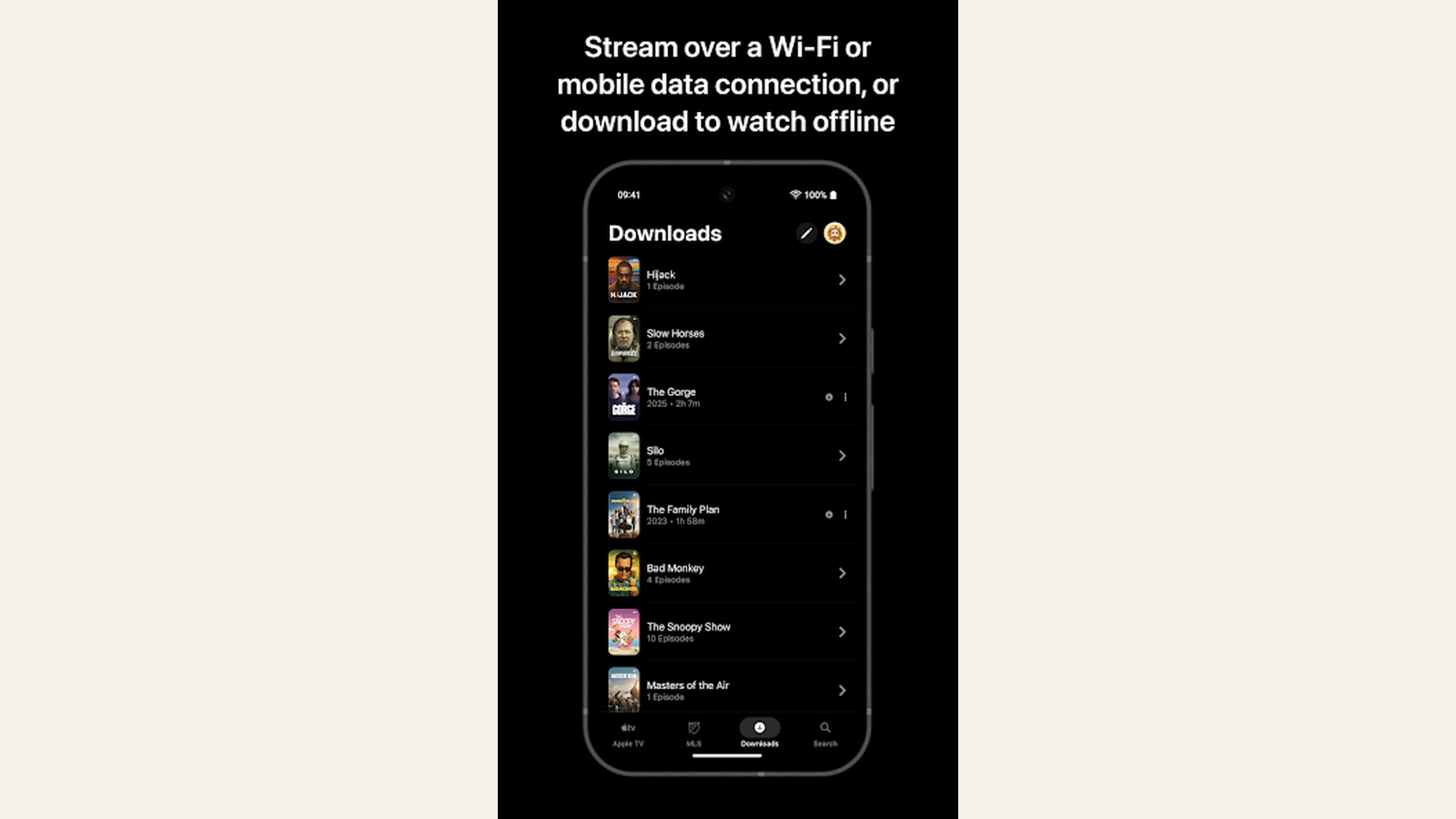
- Apple TV+ UK - official Apple TV+ UK entry point
- BFI Player subscription - official specialist film subscription page
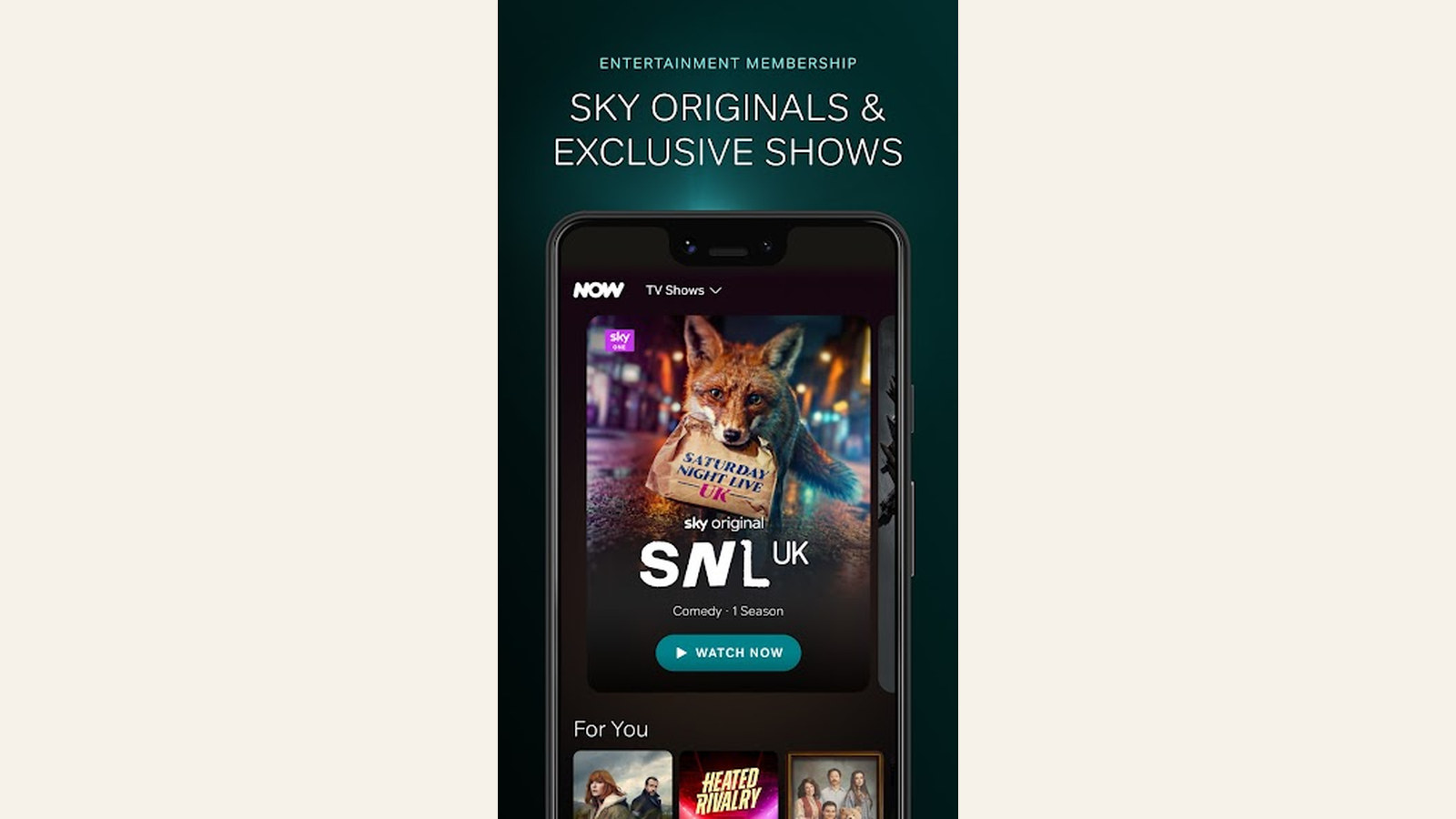
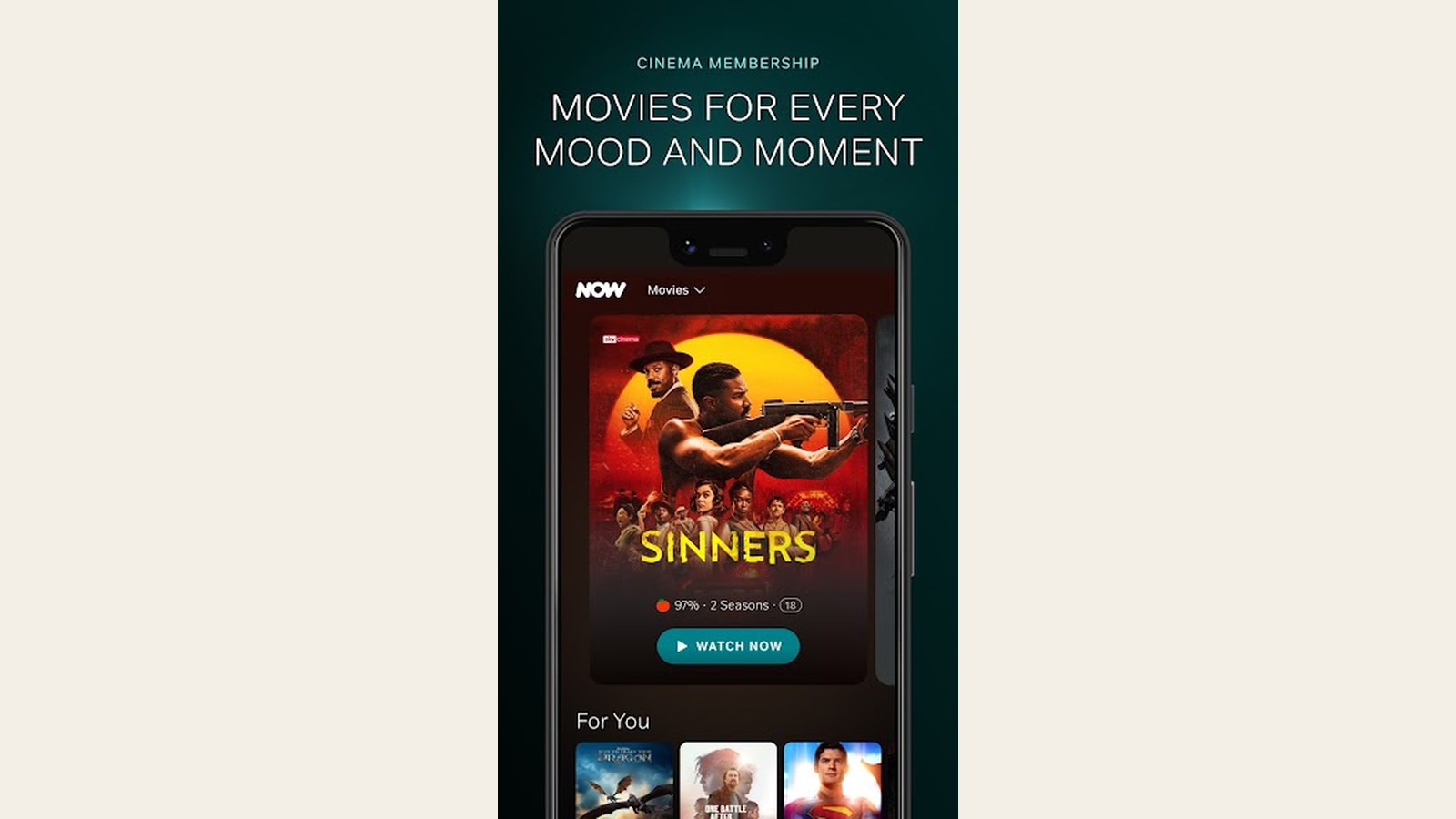
- NOW memberships - official NOW membership overview
Use those pages to confirm current prices, included catalogues, trial rules, device limits, and cancellation terms. We avoid quoting a permanent price when a service displays pricing dynamically or changes promotions frequently. A good deal is only good if the current checkout page matches the use case you actually have.
How Wild Ace judges this choice
We judge streaming services by how confidently they solve a real viewing job. A viewer who wants new prestige series has a different answer from a viewer who wants film discovery, family catch-up, or a low-cost month between major releases.
- UK catalogue fit - Check the UK catalogue and official availability pages because US roundups often list titles or bundles that are not available here.
- Release cadence - A service needs enough new or newly surfaced material to justify the next renewal.
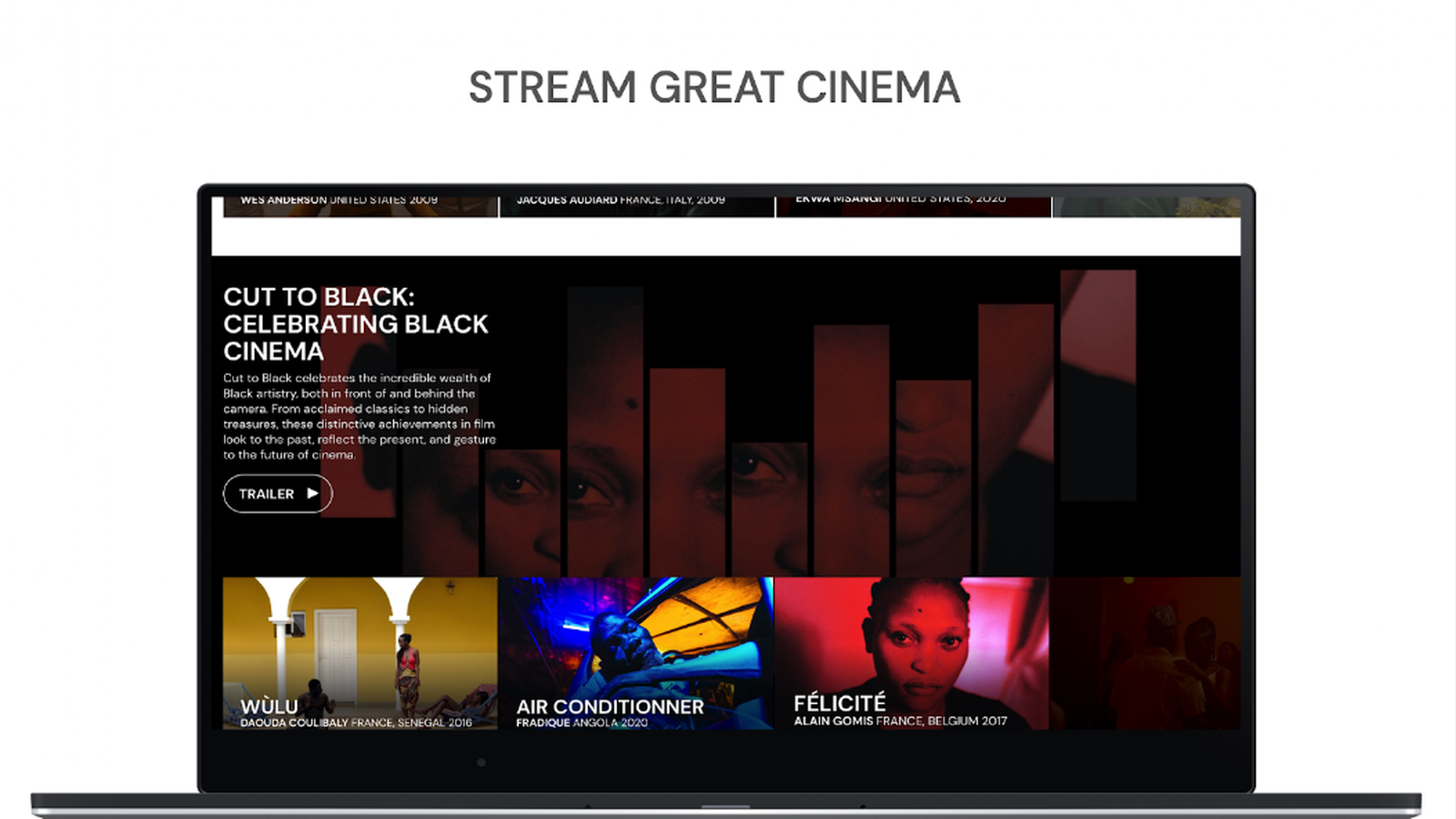
- Curation quality - Film-first readers benefit from human-led collections, useful rows, and editorial context more than endless undifferentiated tiles.
- Exit friction - Clear cancellation and monthly billing matter because rotation is the core savings strategy.
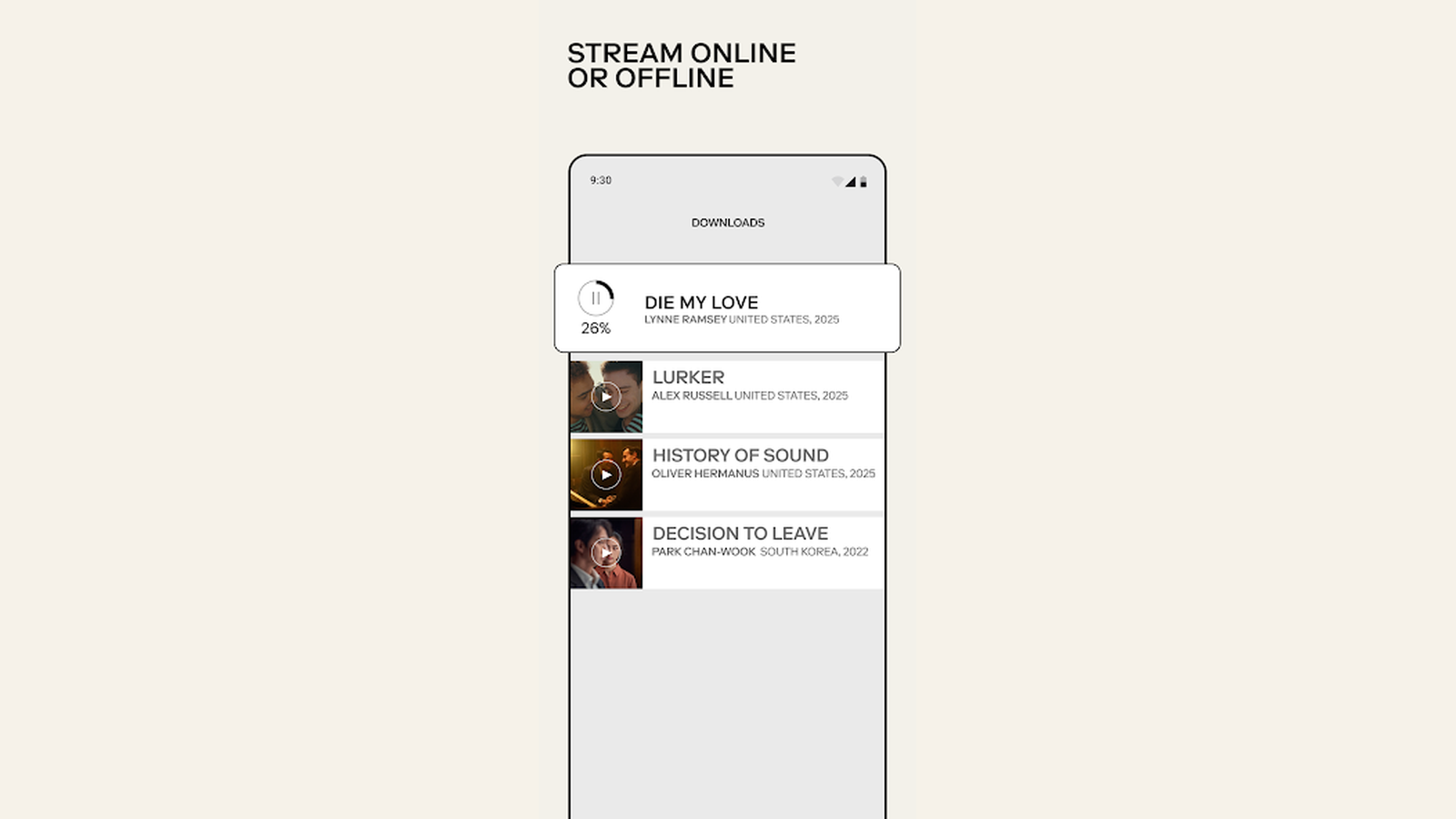
- Viewing context - Offline downloads, subtitles, app reliability, and device support decide whether the plan works for the household.
For streaming services, we give more weight to the household job than to one master ranking. Broad entertainment, prestige originals, and film curation are different needs.
Shortlist table
| Option | Best for | Watch before paying | Wild Ace read |
|---|---|---|---|
| Apple TV+ | prestige originals and short focused viewing months | a smaller library than broad entertainment bundles | Best when two or three current originals are already on your list. |
| Netflix UK | broad household viewing and global hits | film discovery can be uneven if you rely only on homepage rows | Useful as the broad service in a two-service rotation. |
| Disney+ UK | franchise, family, and selected prestige catalogue viewing | value depends heavily on whether the household uses its core brands | Strong for households that actively use the library, weaker as passive spend. |
| MUBI | film curation and discovery beyond the obvious charts | not a replacement for broad TV libraries | Best specialist add-on for film-led viewers. |
| BFI Player | UK film culture, archive depth, and curated cinema context | narrower appeal if you mostly want current US series | A serious companion for readers who care about film history and UK context. |
Read the table by household job. A broad streamer, a prestige-originals service, and a film-curation service should not be forced into one universal score.
Notes on the main options
Apple TV+
Apple TV+ is strongest as a premium-originals window. It makes sense when a household can name the current dramas, comedies, documentaries, or films that justify the month. It is less convincing as a broad default because the library is intentionally narrower than warehouse-style streamers. Treat it as a focused subscription: join for a real queue, finish the queue, and pause when the next wave is not ready.
Netflix
Netflix remains the easy broad-service answer for many mixed households because it covers drama, documentaries, reality, comedy, international series, and casual viewing in one place. The drawback is that discovery can feel algorithmic, and a large catalogue does not guarantee a strong watchlist. It earns renewal when several people in the house use it regularly. It weakens when everyone keeps scrolling but nobody names the next show.
Disney+
Disney+ is clearest when the household uses its core brands, family library, franchise releases, documentaries, and Star catalogue. It is less compelling when those categories are not active in the current month. Parents and franchise fans may get reliable value, while film-first viewers may still need another service for curation. Check the current plan and advert rules before assuming last year's value still applies.
MUBI
MUBI is the film-lover option in the group. It brings curation, retrospectives, festival-adjacent choices, and an editorial point of view that broad streamers rarely provide. It should not be judged as a family entertainment replacement. It earns money when someone wants to be guided into films they might not find through normal homepage rows.
BFI Player
BFI Player is a specialist tool for British film culture, archive interest, rentals, and cinema-history projects. It will not be the default answer for every household, but it can be the right answer for a reader who wants context and harder-to-find films. Check whether the title you want is included in the subscription or sits in a separate rental lane before paying.
A cleaner buying plan
- Choose one broad service - Pick the service with the most titles already in your queue, not the one with the best abstract reputation.
- Add one specialist service only when needed - Use MUBI or BFI Player when you are in a film-discovery month rather than keeping them open by habit.
- Set a renewal reminder - Put the cancellation review two days before billing, while you still remember why you joined.
- Track finished value - Write down what you actually watched. If the list is thin, cancel before comparing another plan.
- Rebuild the stack monthly - A fresh month can justify a different answer; that is a feature, not a failure.
This plan keeps the streaming stack from expanding by inertia. Each service needs a job for the next month, and the weakest job is the one to pause first.
Where this fits inside Wild Ace
For the next decision, move through MUBI vs BFI Player, Apple TV+ UK review, UK streaming deals, and NOW vs ITVX Premium. Those pages cover adjacent choices, so you can compare subscriptions, reading plans, and collector purchases without reopening the same research from scratch.
Use the related Wild Ace pages as deeper checks after the broad shortlist. Once a household knows whether it needs mainstream viewing, film curation, UK catch-up, or audio, the comparison pages make the next choice narrower.
What can change after publication
Streaming value changes with releases, rights, adverts, price rises, device support, and household schedules. The best service in July can be the easiest pause in August.
Use current UK pages before subscribing. The final check should include the first title to watch, the device to use, and the date the plan renews.
Reader questions
What is the best streaming service in the UK for film fans?
MUBI and BFI Player are the most film-led choices, while Apple TV+ is stronger for prestige originals and Netflix is stronger as a broad household service.
Should I keep multiple streaming services all year?
Usually no. Rotation is a better value strategy unless the household uses each service every week.
Is a cheaper ad-supported plan always better?
Not if adverts break the viewing experience you care about or if downloads and device rules matter to you.
How often should I review subscriptions?
Review them every month or whenever a major title finishes.
Can US streaming rankings be used for UK decisions?
Only as a starting point. UK rights, plan names, and catalogues can differ materially.
Scenario checks before paying
For broad household viewing, start with the service that multiple people will use several times a week. Netflix, Disney+, Prime Video, or another broad option may make sense when tastes are mixed and the household needs range. The service should still have named titles; broad does not mean automatic.
For premium originals, Apple TV+ or another focused service can be better than a huge library. The question is whether the current release slate fills the next month. If it does, subscribe with a reminder. If it does not, wait until the next wave. Focused services are made for rotation.
For film-first viewers, specialist choices such as MUBI or BFI Player should be evaluated separately from household TV. They may not replace a broad streamer, but they can provide better discovery, context, or archive access. The right stack often has one broad service and one specialist lane, not every service at once.
Details to verify before renewal
Name the first title each service will be used for. If a subscription cannot pass that check, it should be paused before a broader ranking is even considered.
Check advert rules, device support, household profiles, downloads, and current prices on the UK pages. These practical details often decide whether a service is used or ignored.
Keep the stack narrow. One broad service plus one specialist service is usually easier to manage than three services all competing for the same quiet evenings.
Renewal check for the streaming stack
The best UK setup usually starts smaller than the app grid suggests. Keep one broad service only when more than one person uses it regularly, then add a specialist service for a defined film, premium-TV, or audiobook month. Apple TV+ works best around a release window, MUBI around a film project, BFI Player around archive or rental needs, and NOW around a premium-channel run. If two services are solving the same job, one of them should pause. If no one can name the next watch, the problem is not the catalogue; it is an idle renewal waiting to happen.
Final fit check
Give every service in the stack a job for the next month. One can be the broad household service, one can be the premium-originals window, and one can be the specialist film lane, but there should not be three services doing the same vague job. If a service cannot be assigned a title, habit, or household role, pause it first. This keeps the stack readable and makes later deal decisions easier because each subscription has to prove what it is replacing.
The stack should also match the season. School holidays, sports calendars, awards-season films, family visits, and commuting changes can all shift the best service. Rechecking monthly is not overthinking; it is how streaming stays a tool instead of becoming a permanent background charge.
Finally, watch for overlap. If two services are both being kept for broad browsing, one of them is probably weak. If one handles household range and another handles a named specialist need, the stack is easier to defend. The goal is not to own every app for every possible mood. It is to keep enough access for the month that is actually happening.
Bottom line
The best UK streaming setup is a disciplined stack: one broad service, one specialist service when the queue justifies it, and a reminder to cancel before the month turns passive. Build the UK streaming stack from one broad service and one active specialist, then let the next renewal depend on actual titles rather than brand size.