Editorial scope note: Wild Ace builds this guide from public plan pages, official help pages, catalogue positioning, and reader use cases. We do not claim private access, hidden usage data, or guaranteed availability. Prices, libraries, trials, and rights can change, so use the official links below before you buy.
Quick verdict
A streaming deal is not automatically good because the monthly price is lower. It is good when the payment matches a named queue, a realistic viewing window, and a clean exit. For most UK readers, the best savings come from rotating one or two services at a time rather than stacking every platform at once.
A streaming deal is only useful when it discounts something you were ready to watch, read, or hear. The worst deals lower the first bill and raise the chance that you keep a service through quiet months. This guide treats a discount as a timing tool, not as a reason to collect subscriptions.
This is a UK deals guide, so prices, trials, app availability, and bundle language should be checked on the current UK checkout pages. Promotions change quickly, and a stale offer should never drive the decision.
Official pages checked
We started from official pages because affiliate roundups go stale quickly when plan names, free trials, and cancellation terms change. The links below are not decorative citations. They are the pages a reader should open before paying, especially where a service uses regional pricing or changes its included hours.
- Netflix UK - official UK entry point
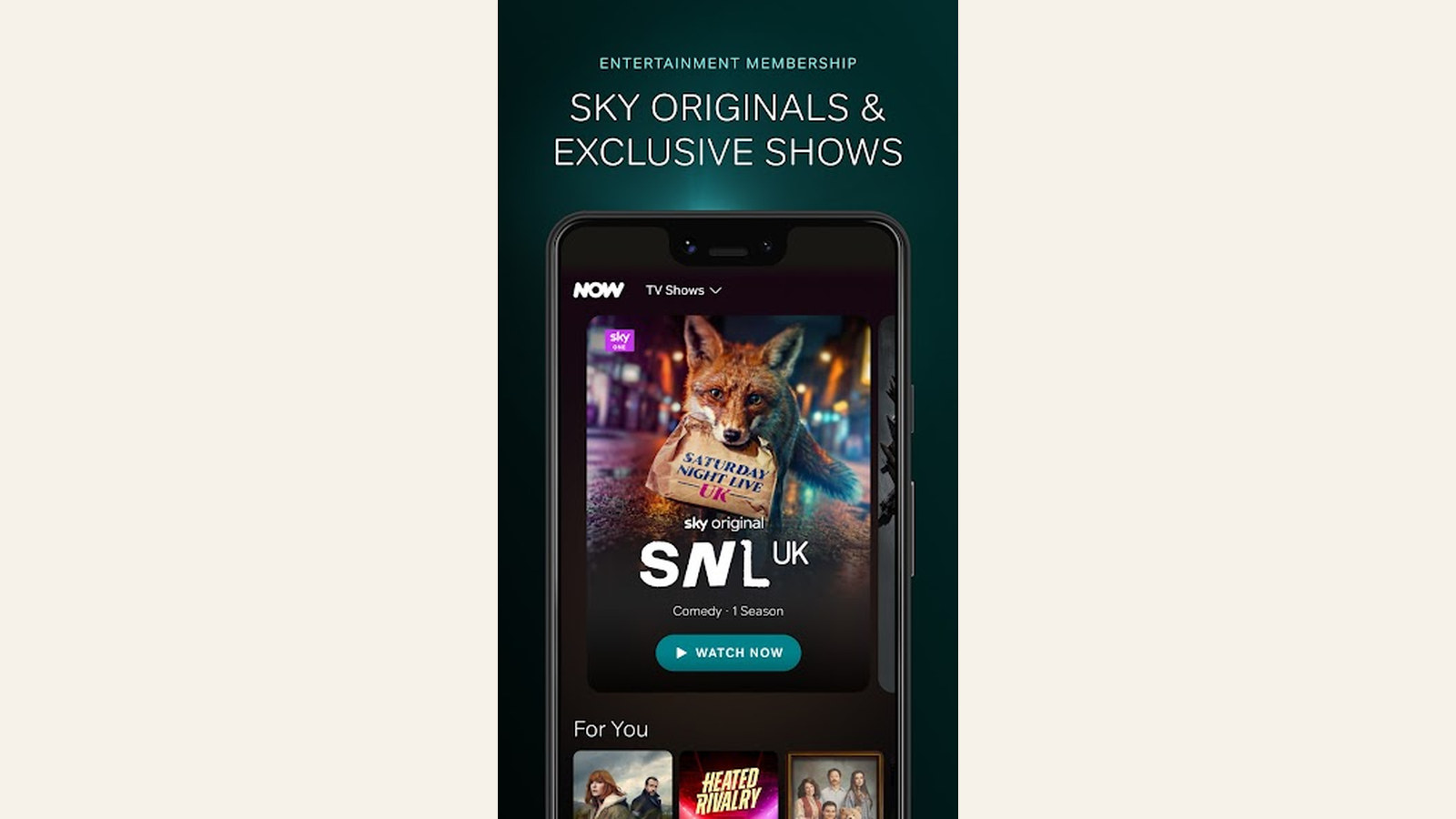
- NOW memberships - official NOW memberships
- Disney+ UK Help - official Disney+ UK help
- Amazon Prime UK benefits - official Amazon UK explanation of Prime cost and benefits
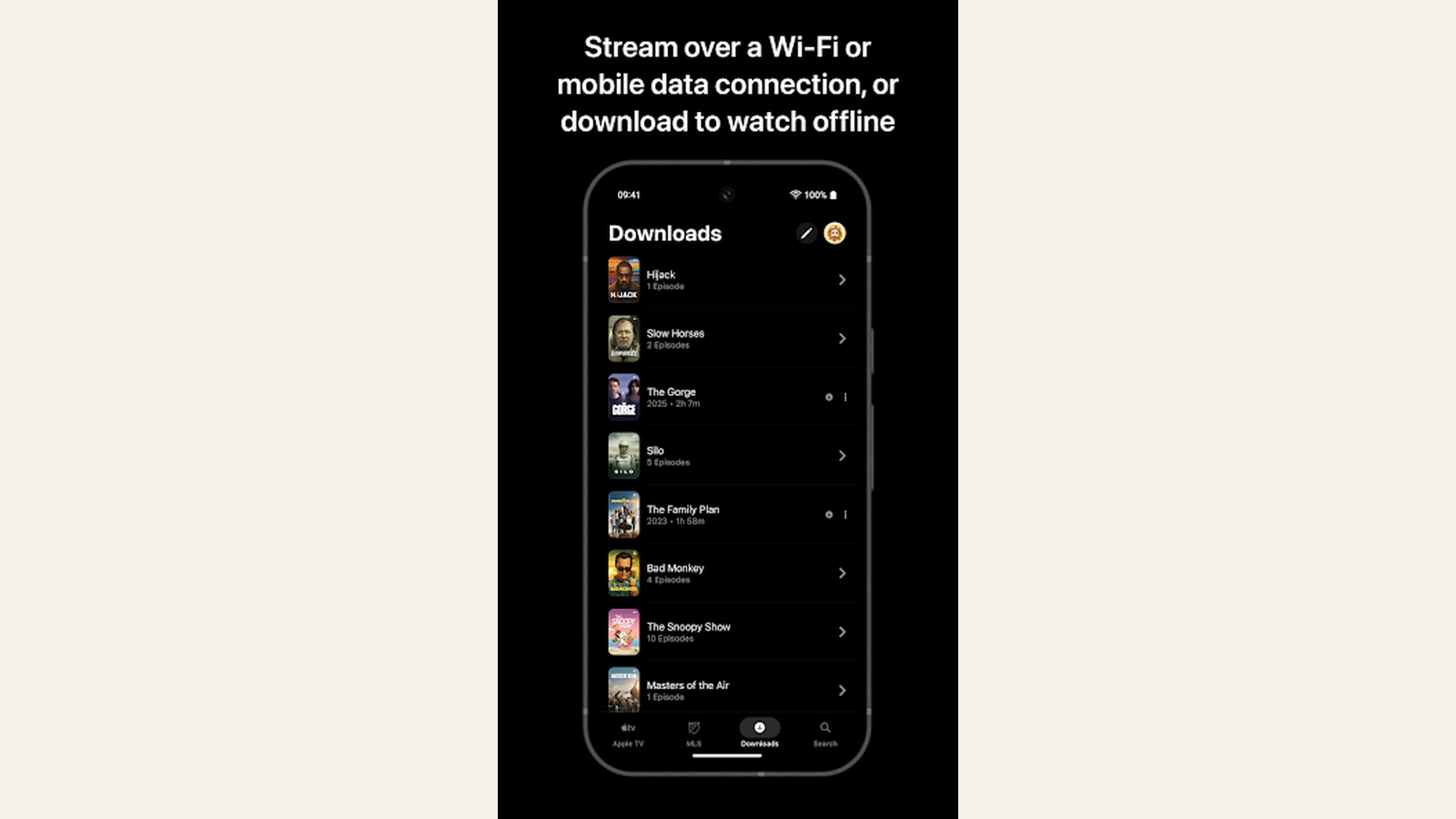
- Apple TV+ UK - official Apple TV+ UK page
Use those pages to confirm current prices, included catalogues, trial rules, device limits, and cancellation terms. We avoid quoting a permanent price when a service displays pricing dynamically or changes promotions frequently. A good deal is only good if the current checkout page matches the use case you actually have.
How Wild Ace judges this choice
We judge deals by renewal risk, not just headline discount. A temporary offer can be expensive if it causes three idle renewals. A full-price month can be excellent value if it contains the exact films, series, or audiobooks you planned to finish.
- Named queue - A deal needs at least three specific titles or a clear household use case.
- Commitment length - Monthly flexibility beats annual savings when your use is uncertain.
- Cancellation clarity - A deal should be easy to leave before the next bill.
- Bundle overlap - Do not pay for overlapping catalogues unless the bundle is cheaper than the one service you would keep anyway.
- Ad and download rules - A cheap tier can cost attention if adverts, downloads, or device limits break the intended use.
For deals, we give more weight to exit discipline than to the first discount. The better offer is the one attached to a clear viewing or listening plan and an easy cancellation date.
Shortlist table
| Option | Best for | Watch before paying | Wild Ace read |
|---|---|---|---|
| Single-service month | one show, film season, or audio queue | do not extend after the anchor finishes | The cleanest deal for focused months. |
| Two-service stack | one broad household service plus one specialist service | the specialist service must have a real project | Good when both lanes are active. |
| Annual plan | services used every week by more than one person | annual savings vanish if habits change after two months | Only buy when usage is proven. |
| Bundle offer | households that already pay for every included part | bundles can hide services you would not buy separately | Compare against your real keep list. |
| Free tier or trial | checking catalogue fit before paying | trial end dates and advert rules need a calendar reminder | Useful only with a cancellation plan. |
Read the table as a reminder that a deal needs a job. A discounted month without a named queue is still passive spend.

Notes on the main options
Single-service month
The single-service month is the cleanest deal strategy. Choose the service with the current anchor, watch or listen deliberately, and leave when the anchor is finished. It may look less exciting than stacking offers, but it keeps attention and money in the same place. The warning is simple: do not extend because the first month felt cheap if the next month has no named queue.
Two-service stack
A two-service stack can work when each service has a different job. One might handle broad household viewing while the other handles film curation, premium TV, or audiobooks. The danger is duplication. If both services are being kept for the same vague reason, the deal is hiding waste. Before paying for a second service, write down what it does that the first one cannot do this month.
Annual discount
Annual billing should reward proven use, not imagined discipline. It can be sensible for a household that uses the same service every week across seasons and accounts. It is risky when the discount is being used to justify a service that was already marginal. Review the last three months before committing. If the service was idle during any normal month, the annual price is probably solving the wrong problem.
Bundle deal
Bundles are useful when they discount things the household already wanted. They are poor value when they add services that would never be bought separately. Count the bundle from replacement spend only. If a mobile, broadband, or entertainment bundle includes a streaming perk, ask whether the perk changes the queue or only makes the bill look fuller. Unused extras are still unused.
Trial or free tier
Trials and free tiers are best used for confirmation. Check the catalogue, try the app on the actual device, and decide whether the service fits the household before the paid cycle begins. They become expensive when no reminder is set or when advert rules, download limits, and cancellation windows are ignored. Treat the trial date as a deadline, not as a casual start.
A cleaner buying plan
- Build a one-month queue - List the exact films, series, audiobooks, or books the household will use.
- Pick no more than two paid services - One broad service and one specialist service is enough for most months.
- Set calendar reminders - Put the review date before the renewal date, not on the renewal day.
- Cancel before browsing for the next service - Close one plan before adding another so the stack does not creep upward.
- Recheck official pages - Offers, adverts, downloads, and bundle terms can change quickly.
This plan prevents discounts from becoming clutter. A deal should lower the price of a month you already want, not create a second queue that nobody in the house has time to use.
Where this fits inside Wild Ace
For the next decision, move through Best UK streaming services, NOW vs ITVX Premium, Apple TV+ UK review, and Best audiobook subscriptions UK. Those pages cover adjacent choices, so you can compare subscriptions, reading plans, and collector purchases without reopening the same research from scratch.
Use the related Wild Ace pages to check whether a deal fits the current queue. A discount on a broad service, a specialist film month, or an audiobook plan should point to a real title or habit.

What can change after publication
Deals change faster than normal subscription pages. Intro prices, bundles, annual discounts, free trials, and cancellation windows can all disappear or reappear with little notice.
Confirm the current checkout screen before acting on any offer. A deal that does not match the queue, device, or renewal plan is not a saving.
Reader questions
What is the best UK streaming deal?
Usually the best deal is a focused one-month subscription to the service with your current queue, followed by cancellation.
Are annual streaming plans worth it?
Only for services your household uses every week and would keep even without the discount.
How many streaming services should I keep?
Most readers should keep one broad service and add one specialist service only when the month justifies it.
Are ad-supported plans good value?
They can be, but not if adverts or download limits damage the way you watch.
How do I stop passive renewals?
Use calendar reminders two days before billing and cancel any service without a named next watch.
Scenario checks before paying
For a one-show month, take the simplest deal that covers the show and leave when it is done. This avoids the common mistake of adding two discounted services when only one title caused the purchase. A deal is useful when it lowers the cost of a decision already made. It is risky when it invents a queue that nobody asked for.
For families, check device limits, profiles, adverts, downloads, and the actual evenings available. A cheap deal can still fail if the service is awkward on the main TV or if the household already has enough to watch elsewhere. The best family deal usually reduces friction, not just price.
For annual offers, use evidence from recent behaviour. If the household used the service every week for several months, annual billing may be sensible. If the service has been idle or was only needed for one release, the discount is asking you to prepay for optimism. Monthly rotation is often the more honest bargain.
Details to verify before renewal
Open the current checkout page and confirm the exact offer, renewal price, trial length, and cancellation window. Deal pages change too quickly for old notes to be enough.
Attach the deal to a named queue. If nobody can name the show, film, audiobook, or live event that makes the month useful, the discount is only lowering the price of uncertainty.
For annual offers, review the last three months of actual use. A service that was idle recently should not get a year of money because the per-month number looks smaller.
Renewal check for deals
The deal check is not whether the monthly price looks low. It is whether the next billing period has enough named use to beat cancellation. Put every paid service into one of three groups: used weekly by the household, needed for a specific current queue, or nice to have but idle. Keep the first group, review the second group after the anchor title is finished, and cancel the third group before browsing for another offer. This keeps bundles honest, because an added service is only a saving when it replaces something you would have bought anyway. A cheap unused plan is still wasted spend.
Final fit check
Write the offer, the renewal price, the cancellation date, and the first three things to watch or hear on one line. If that line is easy to complete, the deal is probably purposeful. If the offer is clear but the queue is vague, the deal is doing too much work. If the first month is cheap but the renewal price feels hard to justify, set the exit reminder before checkout. A good streaming deal should make a planned month cheaper, not make an unplanned month feel harmless.
The strongest deal is often the one you can explain in a single sentence: this service, this month, this queue, this cancellation date. If any part is missing, wait. There will almost always be another offer, but the time and attention spent on unused services does not come back.
Deals also need a household owner. Someone should know why the service was added, when the cheaper period ends, and whether the queue is finished. Without an owner, a trial or discount becomes shared clutter. A simple note in the calendar is enough: service, reason, renewal price, and cancel-by date. That turns the deal from a vague saving into a managed purchase.
Bottom line
The strongest UK streaming deal is a disciplined rotation plan. Pay for the current queue, cancel when it is finished, and make every renewal earn its place. The strongest streaming deal is still discipline: pay for the current queue, cancel before the renewal becomes passive, and rebuild the stack only when a new month earns it.