Editorial scope note: Wild Ace builds this guide from public plan pages, official help pages, catalogue positioning, and reader use cases. We do not claim private access, hidden usage data, or guaranteed availability. Prices, libraries, trials, and rights can change, so use the official links below before you buy.
Quick verdict
Audible remains the clearest fit for listeners who want a premium title each month and like the ownership feel of a credit. Spotify Audiobooks can be more convenient if you already pay for Premium and your listening fits within included hours. Kobo Plus and Everand-style access models are better for browsers who sample widely, but catalogue limits matter more than the monthly price.
The right audiobook service starts with the listening pattern, not the logo. A commuter with one long nonfiction title, a fantasy listener moving through a series, and a casual sampler all need different payment models. The useful question is whether the plan helps you finish books or merely gives you another app to maintain.
This is a UK-focused guide. Audiobook catalogues, membership terms, and library access can shift by region, so treat local checkout and help pages as the final check before joining.
Official pages checked
We started from official pages because affiliate roundups go stale quickly when plan names, free trials, and cancellation terms change. The links below are not decorative citations. They are the pages a reader should open before paying, especially where a service uses regional pricing or changes its included hours.
- Audible UK membership benefits - official Audible UK membership overview
- Spotify UK Audiobooks - official Spotify UK audiobook information
- Kobo Plus UK - official Kobo Plus UK subscription page
- Libro.fm memberships - official membership overview for readers who want bookstore support
Use those pages to confirm current prices, included catalogues, trial rules, device limits, and cancellation terms. We avoid quoting a permanent price when a service displays pricing dynamically or changes promotions frequently. A good deal is only good if the current checkout page matches the use case you actually have.
How Wild Ace judges this choice
Audiobook value is a habit question before it is a price question. The same monthly fee can be excellent for a commuter finishing one long book and poor for someone who samples five narrators without finishing any of them.
- Listening volume - Estimate finished hours, not aspirational hours, because unused time is the hidden cost.
- Credit flexibility - A monthly credit is useful when you choose expensive, long, or newly released audiobooks.
- Access catalogue - Access libraries are attractive for browsing but weaker when a specific bestseller is missing.
- Offline reliability - Commuters need downloads, bookmarks, and stable resume position more than glossy discovery pages.
- Exit and rollover terms - Check whether credits, hours, or access disappear when you cancel.
For audiobook subscriptions, we score the model before the marketing. A service that looks generous can still be wrong if it rewards sampling when the listener wants one finished book, or rewards credits when the listener mostly browses.
Shortlist table
| Option | Best for | Watch before paying | Wild Ace read |
|---|---|---|---|
| Audible UK | one premium audiobook each month with a clear credit model | unused credits and ownership rules need attention before cancellation | Best default for listeners who finish one substantial audiobook monthly. |
| Spotify Audiobooks | Premium subscribers who want occasional audiobook listening without a separate app | included hours can run out before a long book is finished | Best convenience add-on if your listening is moderate. |
| Kobo Plus | readers who want ebooks and audiobooks in a single subscription lane | specific audiobook availability varies by catalogue and region | Best for mixed-format readers who already like Kobo devices or apps. |
| Libro.fm membership | listeners who want audiobook ownership while supporting independent bookshops | catalogue and regional access should be checked before joining | Best values-led alternative to the biggest platforms. |
| Free library apps | patient listeners who can wait for holds and do not need every new release now | availability depends on your library authority and hold queues | Best first stop before paying if patience is acceptable. |
Read the table as a habit map. The right answer changes when the listener moves from one premium book a month to broad sampling, shared family listening, or library borrowing.

Notes on the main options
Audible
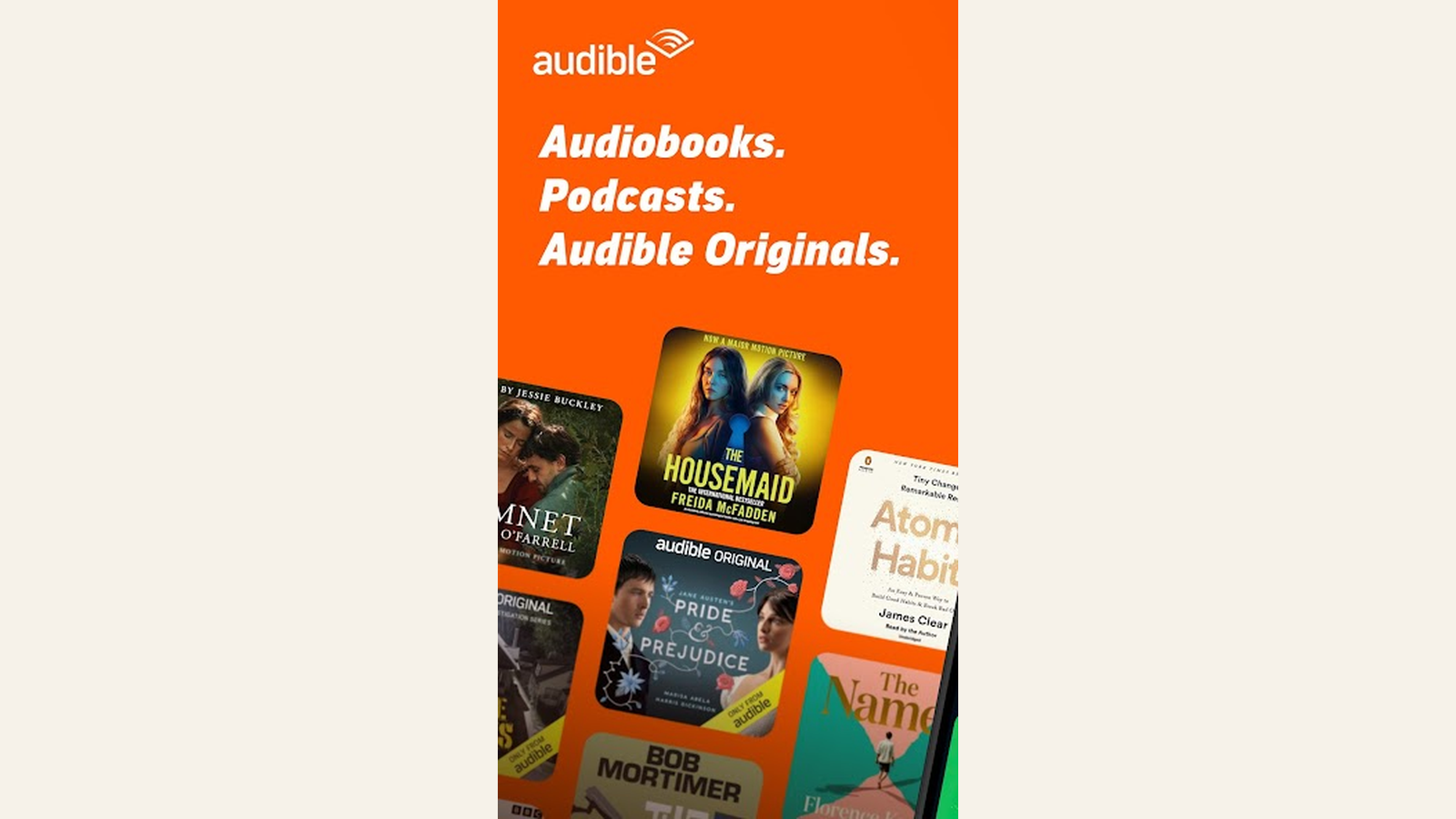
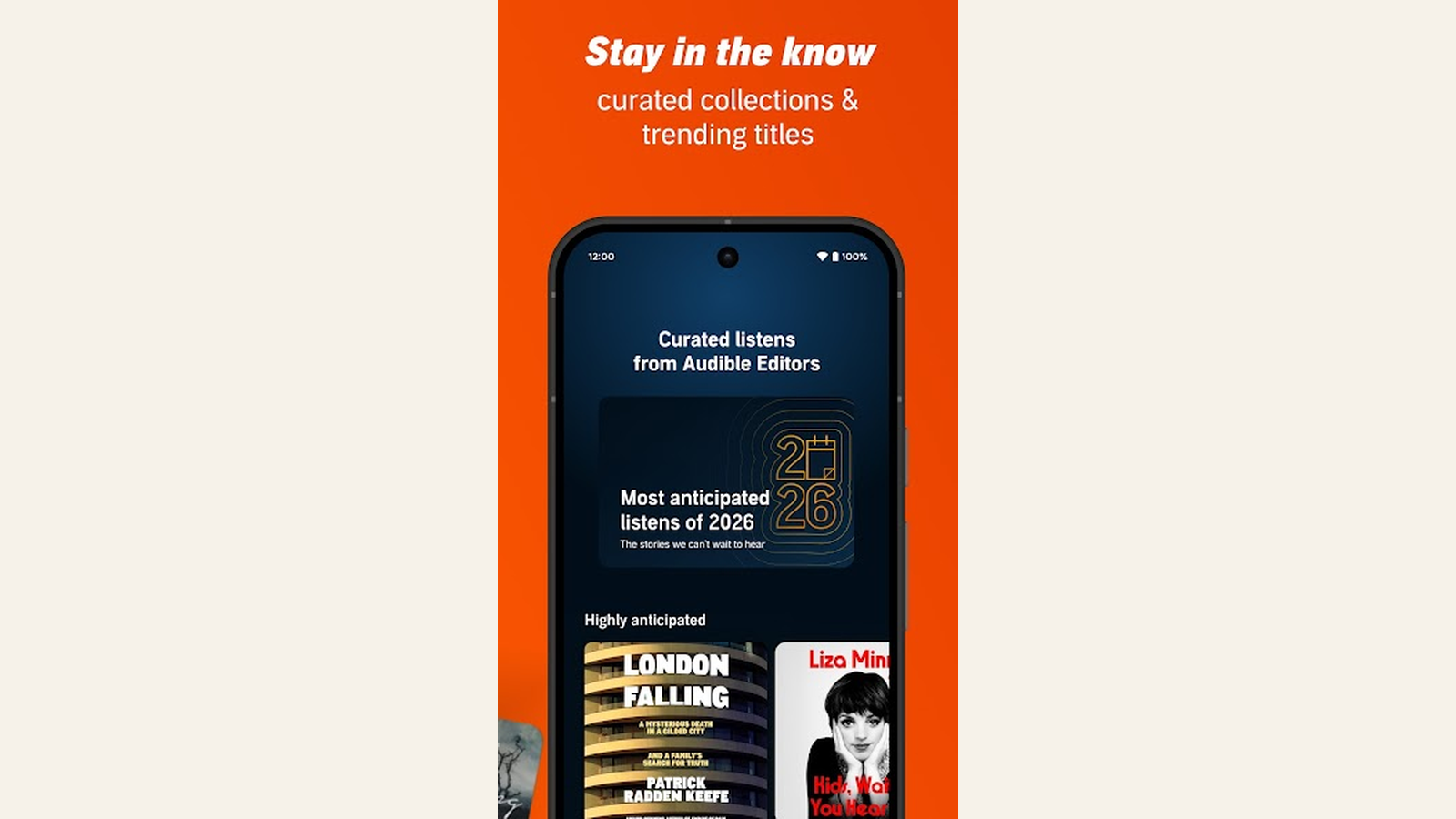
Audible is the clearest option for listeners who want one premium audiobook each month. The model is easy to understand when the credit has a destination: a long novel, a new nonfiction release, a book-club pick, or the next title in a series. The risk is credit drift. If the listener keeps paying because the credit feels valuable but does not choose a book, the subscription is no longer solving a reading problem. Review unused credits before cancellation or renewal.
Spotify Audiobooks
Spotify Audiobooks is convenient for people who already use Spotify every day. It can be a good way to add occasional listening without a second audio app, especially for lighter books or short sessions. The caution is that included hours are not the same as ownership or a dedicated audiobook budget. A long book can make the allowance feel tight. Spotify belongs on the shortlist when convenience is the main value and the listener can live within the hour rules.
Kobo Plus
Kobo Plus is attractive for readers who already like Kobo devices or want an access model that can connect ebooks and audiobooks. It is less about owning one expensive audiobook and more about browsing within the available catalogue. The key check is title fit. Search the authors, genres, and formats you genuinely use before joining. If the audio catalogue does not match the listener's taste, the ebook value has to carry the subscription by itself.
Libro.fm
Libro.fm is different because the buying decision includes where the money goes. It suits listeners who want audiobook ownership while supporting independent bookshops, and it can feel more like intentional buying than passive access. The practical check is catalogue and regional fit. If the titles are available and the reader values the bookseller connection, it can be a strong alternative. If the main goal is the lowest-friction app, another service may be simpler.
Library access
Library access is not a direct replacement for every paid audiobook plan, but it should be checked before committing to another monthly bill. Holds, local library participation, and title availability will shape the answer. Patient listeners can save meaningful money when the local offer is strong. Listeners who need a new release immediately may still need Audible, Spotify, Kobo, or a one-off purchase. The best setup may combine library borrowing with one paid month when a specific title demands it.
A cleaner buying plan
- Audit a normal month - Count actual finished listening hours from commuting, walking, chores, and bedtime.
- Pick credit or access - Choose credits for specific premium books and access for browsing shorter or backlist titles.
- Check one must-listen title - Search the service before joining so the first month has a real anchor.
- Download before travel - Offline access matters more than discovery when the plan is built around commuting.
- Cancel if the queue is empty - A listening plan without a named next book becomes passive spend.
This plan keeps audiobook spend tied to behaviour. The key evidence is not how many titles a service advertises, but whether the listener finishes books, samples widely, or needs one specific release this month.
Where this fits inside Wild Ace
For the next decision, move through Audible vs Spotify Audiobooks, Kindle Unlimited vs Kobo Plus UK, UK streaming deals, and Collector editions guide. Those pages cover adjacent choices, so you can compare subscriptions, reading plans, and collector purchases without reopening the same research from scratch.
Use the related Wild Ace pages to keep the audio decision from swallowing the whole entertainment budget. Audiobook access, ebook access, streaming deals, and collector purchases should each have a separate reason to renew.

What can change after publication
Audiobook plans change through catalogue movement, membership rules, app changes, and personal listening time. A service that was perfect during a commuting month can sit idle when routines shift.
Use official pages to confirm current credit rules, included hours, library access, and cancellation terms. The final decision should be made from the account and region you will actually use.
Reader questions
Is Audible still the best audiobook subscription in the UK?
It is the clearest choice for one premium title per month, but not always the best for browsers or casual listeners.
Are Spotify audiobook hours enough?
They can be enough for moderate listening, but long books can consume the allowance quickly.
Should I choose Kobo Plus for audiobooks?
Choose it if you also want ebooks and you are comfortable checking catalogue availability before joining.
Can library apps replace paid audiobook plans?
Sometimes, especially for patient readers, but hold queues and catalogue gaps make paid plans useful for specific titles.
What is the biggest audiobook subscription mistake?
Paying for a plan after your listening routine has changed.
Scenario checks before paying
For deliberate listeners, start with the next title and work backwards. If the book is long, expensive, newly released, or important for a group, a credit-led service is easier to value. The listener should still check cancellation terms and unused-credit rules, but the monthly spend has a visible purpose. This is the cleanest case for Audible or another membership that maps payment to a chosen book.
For browsing listeners, access models can feel better. Someone who likes to try memoir, fiction, business, and language titles without finishing every sample may get more from a catalogue subscription or library access. The catch is that browsing only works when the catalogue actually contains the genres and narrators the listener likes. Search before paying, and do not judge the service by the size of categories you never open.
For households, audiobook value depends on whether listening is shared or individual. A family car journey, bedtime routine, or study plan can justify a different service from a solo commute. If every listener uses a different app, the better answer may be fewer subscriptions plus occasional one-off purchases.
Details to verify before renewal
Search the next three books before paying. If a service cannot supply the titles or formats that caused the subscription, the headline catalogue does not matter.
Check the payment model carefully: credit, included hours, access catalogue, library holds, or one-off purchases. These are different tools, and the best one changes with the month.
Finally, review the actual listening window. A busy month with little travel may make even a strong audiobook service poor value until routines settle again.
Renewal check for listening habits
The cleanest audiobook decision starts with finished hours, not catalogue size. A commuter who finishes one long book each month has a different value calculation from a reader who samples several starts and abandons most of them. Before renewing, look at the previous billing period and count completed listening, not downloaded titles. If a credit is unused, the next month should have a named book ready. If included hours ran out, a credit-led service may be calmer. If neither problem happened because listening was light, a library app or occasional purchase may be enough until the habit becomes regular.
Final fit check
Before paying, sort the next month into one of three patterns. If there is one named title, choose the service that supplies that title cleanly. If there is broad browsing across genres, choose the service with the strongest catalogue match after real searches. If listening time is uncertain, start with library access, a trial, or a one-off purchase instead of a recurring plan. This check keeps the decision from becoming abstract. Audiobook subscriptions are useful only when they become finished listening, not when they create a larger pile of possible books.
A final practical point is narrator preference. Audiobooks are not interchangeable text files; the narrator, edition, and recording quality can decide whether a listener finishes the book. When comparing services, search for the exact title and sample if possible. A cheaper plan that offers a less suitable edition may be worse than buying the right audiobook once.
Bottom line
For UK listeners, Audible is the safest premium-credit answer, Spotify is the convenience answer, and Kobo Plus or library access can be better for browsing readers. Start with the listening habit, then choose the model: a credit for one premium book, included hours for casual listening, or library/Kobo access when browsing matters more than ownership.